
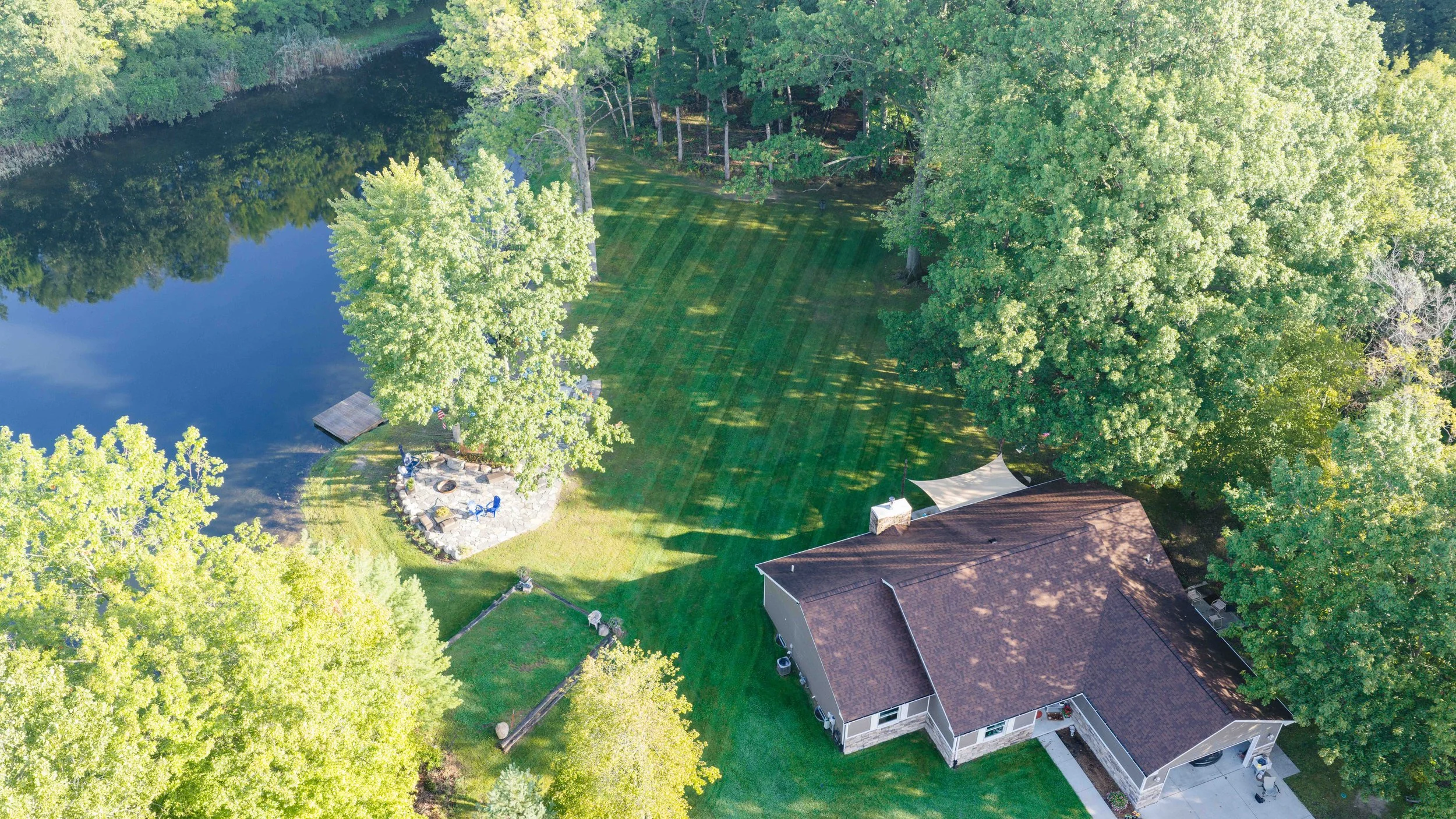
PERSONALIZED LAWN CARE and property SERVICES
FEATURED SERVICES
-
![]()
Weekly Service
Every week, on time, and on point.
-
![]()
One-Time Cut
For the last minute when life happens.
-
![]()
Bi-weekly Service
Regular and recurring lawn services
-
![]()
Ditch Cutting
Eliminate unwanted weeds and bugs.
-
![]()
Edging & Shaping
To keep your edges sharp and crispy
-
![]()
Mulch & Landscape
The finishing touches you need
-
![]()
CORE AERATION
A good lawn starts iwith a proper aeration
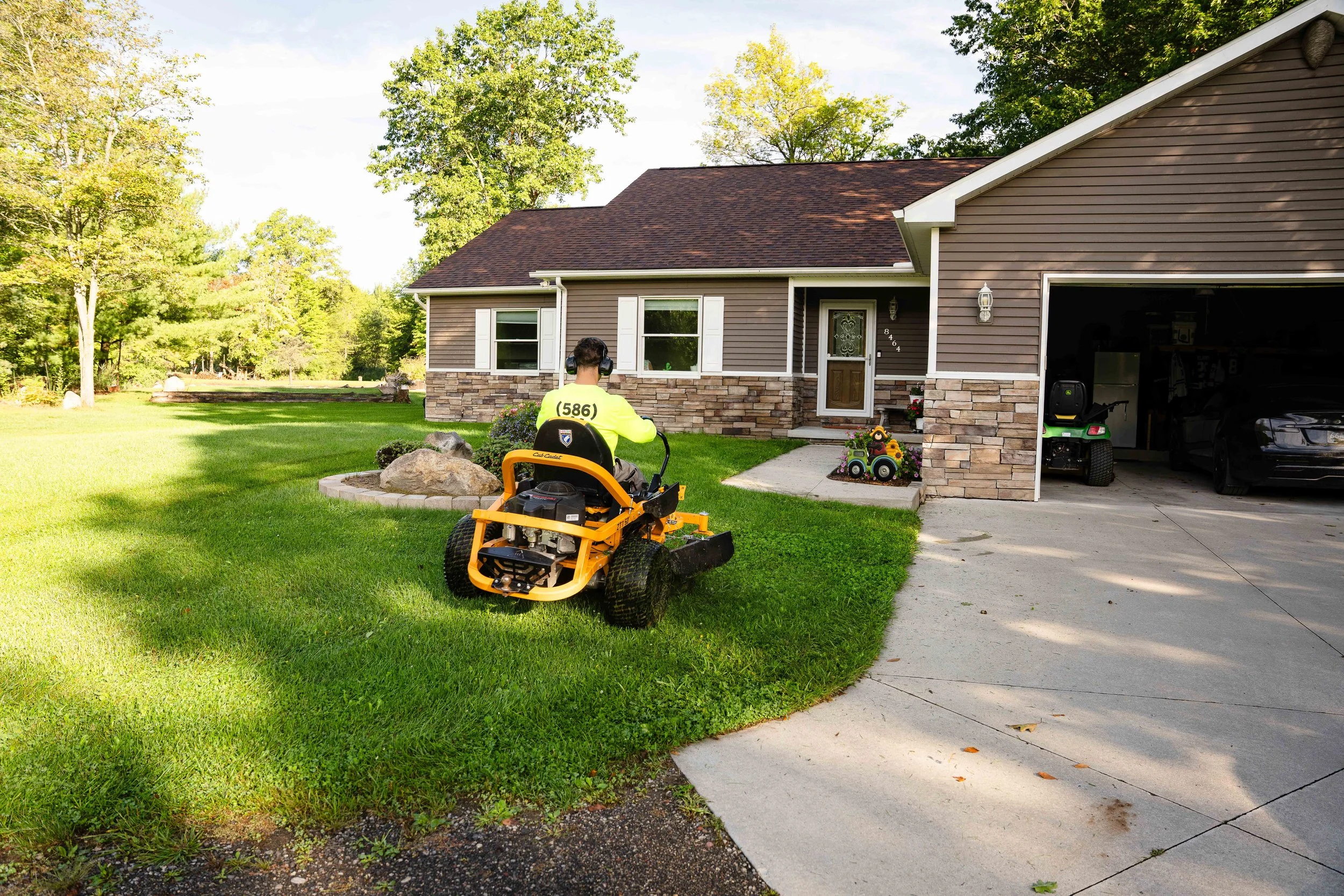
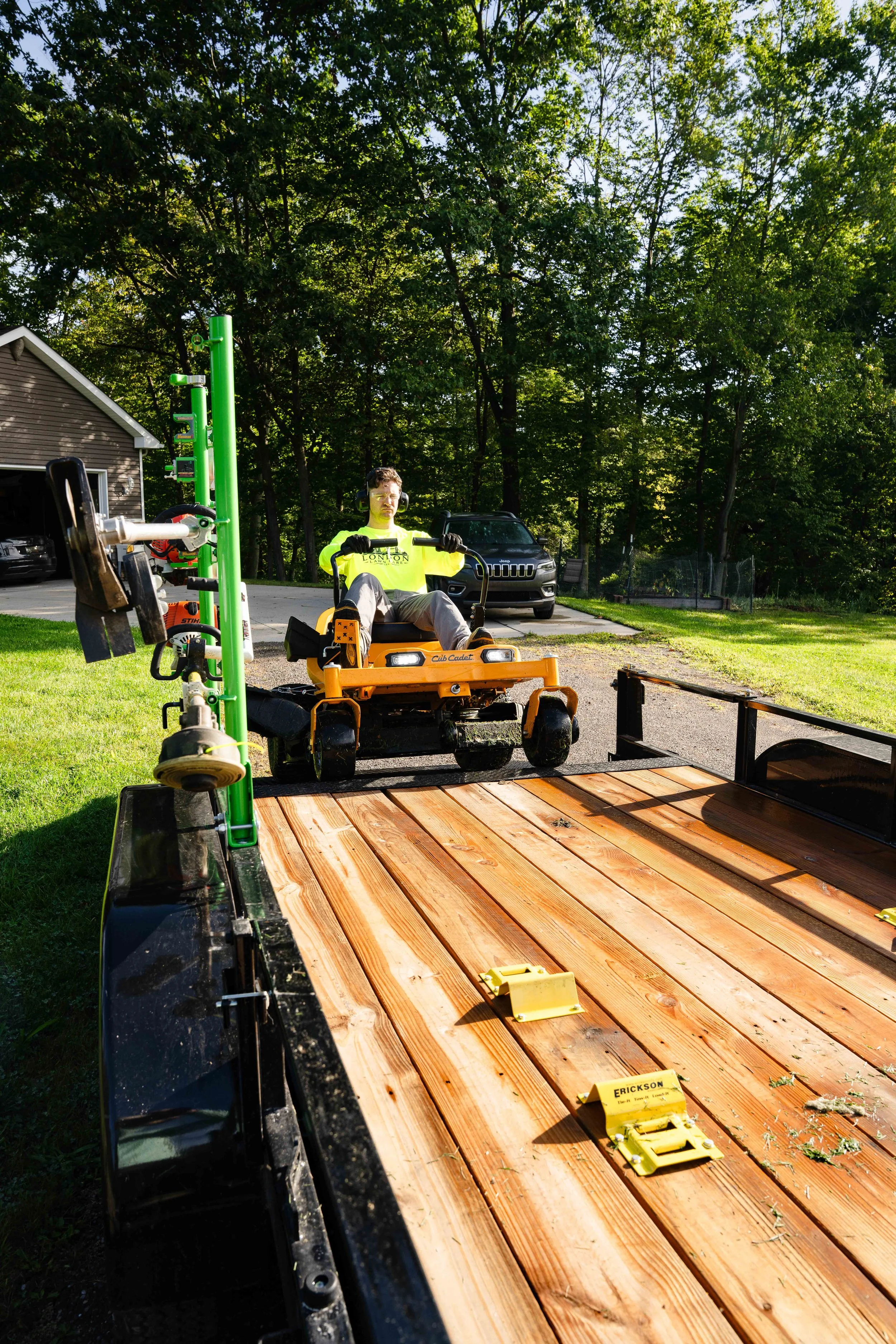
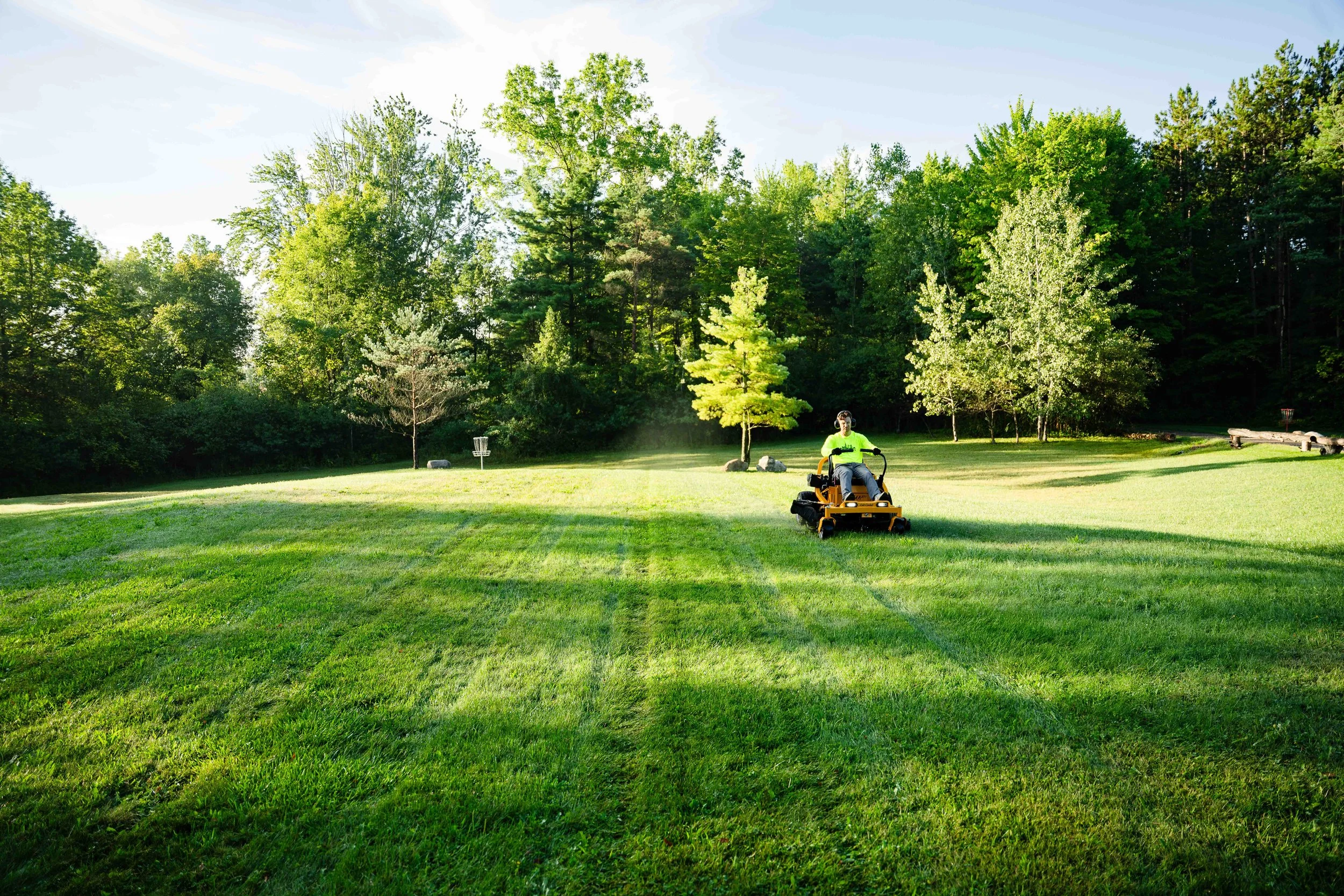


get your weekends back
London Lawn Care LLC is professional, detail focused, and keeps your property sharp. Here’s some info we’ll need to get things started:
FREQUENTLY ASKED LAWN CARE QUESTIONS
-
Aeration frequency depends on soil type, grass species, lawn use, and current condition:
Heavy clay or compacted soils: aerate every 6–12 months.
Sandy, well-drained soils: aerate every 12–24 months.
High traffic or compacted lawns (kids, pets, frequent use): aerate annually or twice a year.
New lawns or those with thin, thatchy turf: aerate in the first year and then annually until the turf thickens.
Lawns with a thick thatch layer (over 0.5 inch): dethatch first, then aerate. Thatch increases the need for aeration.
Best timing:
Cool-season grasses (fescue, ryegrass, Kentucky bluegrass): aerate in early fall or early spring, with early fall preferred for recovery and root growth.
Warm-season grasses (zoysia, bermuda, St. Augustine): aerate in late spring to early summer when grass is actively growing.
Choose core (plug) aeration over spike aeration when possible—core aerators remove plugs of soil and are far more effective at relieving compaction and improving air, water, and nutrient movement.
Practical tips:
Mow the lawn a bit shorter than usual and water it lightly the day before aeration if the soil is very dry.
Leave soil cores on the surface; they break down and return nutrients to the soil.
After aeration is an ideal time to overseed, topdress with compost or a thin layer of good soil, and apply starter fertilizer appropriate for your grass type.
Avoid aerating when the lawn is stressed by drought, extreme heat, or disease.
If you’d like, we can recommend a schedule tailored to your lawn’s grass type and soil test results, or arrange professional aeration and overseeding services.
-
Determining project pricing at London Lawn Care
We calculate fees based on three primary factors:
Scope — the size of the property, list of required services (mowing, edging, planting, irrigation, hardscape work, seasonal cleanup, etc.), and any client-requested add-ons.
Complexity — site-specific challenges such as slopes, access limitations, existing vegetation removal, pest or disease treatments, soil remediation, and any specialized equipment or permits needed.
Projected resources — estimated labor hours, number and type of crew members, equipment and material costs, and anticipated frequency of visits or seasonal follow-ups.
-
Project timelines vary depending on the size and scope of the work. Most residential lawn care and landscaping projects can be completed within 1–3 days, while larger projects involving grading, drainage, sod installation, extensive landscaping, or multiple services may take longer.
Before work begins, London Lawn Care will provide you with an estimated timeline so you know what to expect. Weather, site conditions, material availability, and the complexity of the project can all affect the schedule.
-
Yes. We provide complimentary estimates so we can evaluate your property, understand your goals, and recommend the right services for your lawn or landscape.
-
Not necessarily. As long as we have access to the property and any necessary areas, you typically do not need to be home during the project. We’ll communicate with you before and after the work so you know what to expect.